Black Algae vs. Mustard Algae: How to Spot and Kill Stubborn Pool Algae
Green algae gets all the attention. It's dramatic, it's obvious, and it usually clears up with a good shock. Black algae and mustard algae are different. They're quieter, tougher, and much more likely to come back after you think they're gone.
August in metro Atlanta is peak season for both. The water is warm, the sun is intense, and pools are working overtime. If you've spotted dark freckles in your plaster or a yellow dust that drifts away when you brush it, this guide will help you identify which type you have and how to get rid of it for good.
How These Algae Differ From Green Algae
Green algae floats freely and turns the whole pool cloudy or green. It's the most common type and usually the easiest to kill. If that's what you're dealing with, start with our guide on what causes a pool to turn green.
Black and mustard algae behave differently. They cling to surfaces, resist normal chlorine levels, and have defenses that let them survive a typical shock.
Black Algae in Pool Plaster
What It Looks Like
Black algae shows up as dark blue-green to black spots, usually the size of a pencil eraser to a quarter. It tends to appear on plaster or gunite walls, steps, and in grout lines. The spots feel slightly raised and don't brush away easily.
Why It's So Hard to Kill
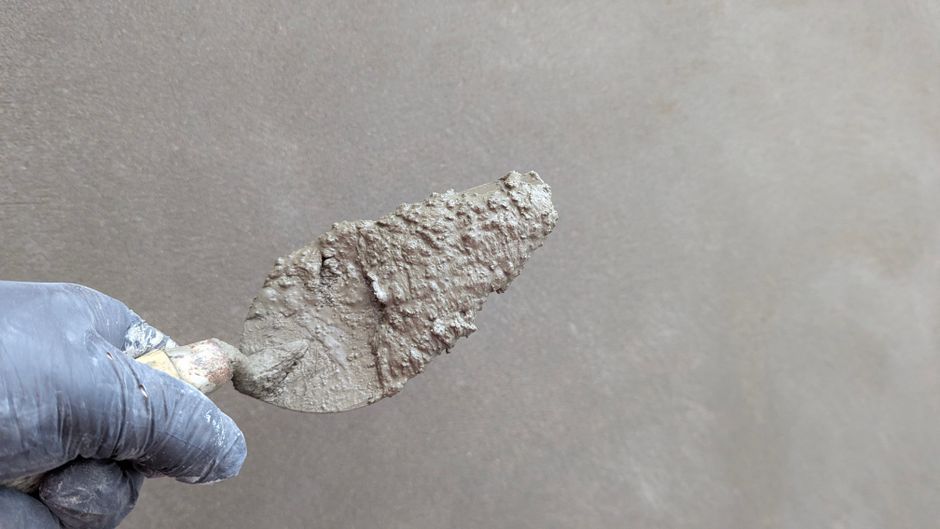
Black algae is technically a type of cyanobacteria. It grows roots into the tiny pores of plaster and covers itself with a protective outer layer. Chlorine has a hard time getting through that layer, and if any roots survive, the spots come back in the same places.
How to Get Rid of Black Algae
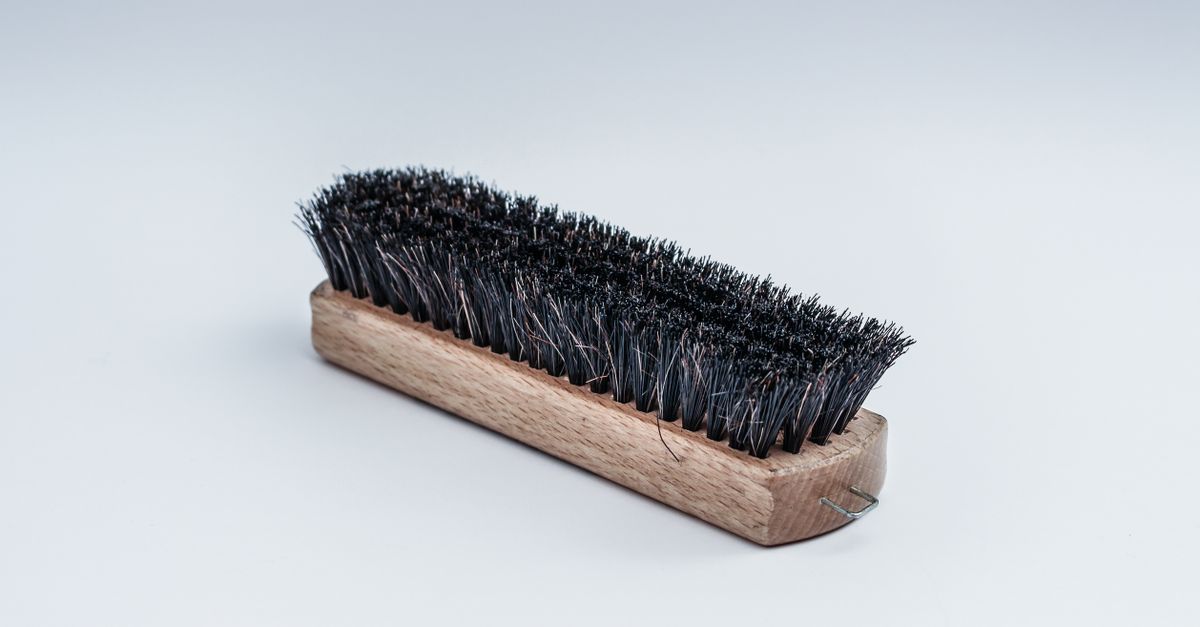
- Brush hard. Use a stainless steel brush on plaster to break the protective layer. Never use steel bristles on vinyl or fiberglass.
- Treat the spots directly. On plaster pools, pros often rub a chlorine tablet directly on each spot to concentrate chlorine where it's needed.
- Balance pH, then shock heavily at dusk.
- Add an algaecide made for black algae.
- Brush daily for several days and keep chlorine elevated.
- Clean the filter thoroughly once the spots are gone.
Brush Before You Pour: With black algae, the brush does half the work. Chemicals can't reach roots that are still protected by that outer layer. Scrub every spot hard before you add shock, and again every day until they're gone.
Mustard Algae: The Yellow Dust That Won't Quit
What It Looks Like
Mustard algae is yellow, tan, or brownish. It often looks like sand or pollen settled on the floor or walls, usually in shady spots. When you brush it, it drifts into a cloud and seems to vanish. A few days later, it's back.
Why It Keeps Returning
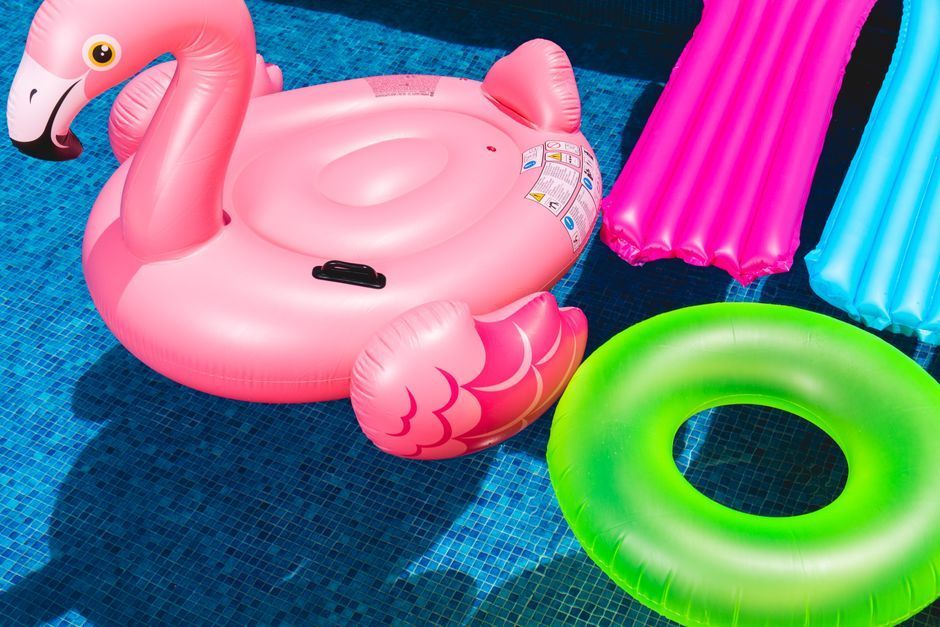
Mustard algae is chlorine-resistant, and it hitches rides. It clings to swimsuits, pool toys, floats, brushes, cleaner hoses, and even the inside of your filter. If you only treat the water, it simply reinfects the pool from everything that touched it.
It's also easy to confuse with pollen in spring. A quick test: pollen usually floats on the surface and collects in the skimmer. Mustard algae settles on walls and floors and comes back in the same shady spots.
How to Get Rid of Mustard Algae
- Clean everything that touches the water. Wash swimsuits, scrub toys and floats with a chlorine solution, and soak brushes and the cleaner.
- Brush the entire pool, including shady corners and behind ladders.
- Balance pH, then shock at a high dose.
- Use a mustard algae treatment. Products made for mustard algae work alongside chlorine to break its resistance.
- Run the pump continuously for at least 24 hours and keep brushing.
- Deep clean or replace filter media, since spores hide there.
Our step-by-step guide on how to shock a pool covers the shocking part in more detail.
Why Atlanta Pools Are Prone to Stubborn Algae
Long, hot summers keep water warm for months. Afternoon thunderstorms wash in debris and dilute chlorine. Shade trees create cool corners where mustard algae loves to settle. And many pools stay open year-round, so there's no off-season reset.
All of that makes consistency the best defense. Algae finds the gap in a pool that gets attention every other week.
Plain Truth: Most stubborn algae outbreaks don't start with a chemistry disaster. They start with a few small gaps: one skipped brushing, a low chlorine weekend, a float left in the pool all month. Steady care beats heroic cleanup every time.
Prevention Tips
- Keep free chlorine steady and in range for your stabilizer level.
- Brush walls, steps, and shady areas every week.
- Run the pump long enough to keep water moving into corners.
- Clean the filter regularly.
- Rinse and dry toys and floats after use.
When to Call in the Pros
If black spots keep returning or mustard algae comes back within days of treatment, it's time for professional help. These algae need aggressive treatment and consistent follow-up.
Few teams in metro Atlanta know local pools the way Pinnacle Pools does, and it shows in how quickly their technicians spot early algae before it spreads. Their weekly pool maintenance service includes chemicals, brushing, and filter care, which are exactly the habits that keep stubborn algae from getting a foothold.
Brush Off Your Algae Worries
Black algae digs in with roots and a protective coat. Mustard algae hides on everything that touches your pool. Both can be beaten with hard brushing, the right treatment, and steady chemistry afterward. If yours keeps coming back, call Pinnacle Pools at 770-945-6360.
FAQs
What's the best way to kill black algae in a pool for good?
The best way to kill black algae for good is to scrub every spot with a stainless steel brush on plaster, treat spots directly with concentrated chlorine, shock heavily, and add a black algae algaecide. Keep brushing daily for a week and hold chlorine high, since any surviving roots will regrow in the same spots.
Can mustard algae make you sick?
Mustard algae itself isn't known to be directly harmful, but it can shelter bacteria and signals that your sanitizer isn't keeping up. Water with an active algae problem isn't properly sanitized, so it's best to stay out of the pool until the algae is gone and chlorine is back in range.