How to Shock a Pool: When, How Much, and When to Call a Pro
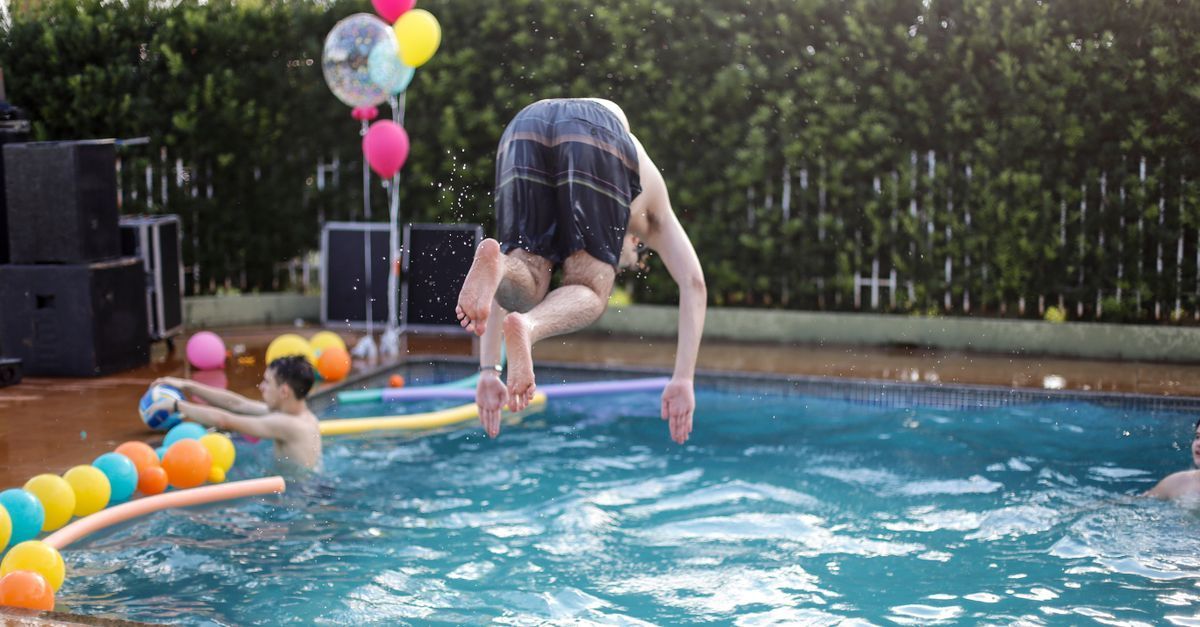
The Fourth of July cookout was a hit. Twenty people, a full day of cannonballs, and a pool that now looks a little tired. That's exactly when knowing how to shock a pool pays off.
Shocking is one of the most useful tools in pool care, and one of the most misunderstood. Done right, it clears out contaminants and resets your water. Done wrong, it wastes chemicals or creates new problems. This guide covers when to shock, which product to use, how to do it safely, and when it's smarter to let a professional handle it.
What Does It Mean to Shock a Pool?
Shocking a pool means adding a large dose of oxidizer, usually chlorine, all at once. The goal is to raise chlorine high enough to break down the waste that regular chlorine levels can't keep up with.
That waste includes sweat, sunscreen, body oils, and something called chloramines. Chloramines form when chlorine combines with contaminants. They're responsible for that strong "chlorine smell" people notice at busy pools. Ironically, a strong chlorine smell usually means you need more chlorine, not less.
Shocking vs. Regular Chlorinating
Your everyday chlorine, from tablets, a salt cell, or liquid, keeps a steady baseline. Shock is a periodic reset. Think of chlorine as daily housekeeping and shock as a deep clean.
When to Shock Your Pool
You don't need to shock on a fixed schedule no matter what. Shock when the pool needs it. Common times include:
- After a party or a weekend of heavy swimming
- After a big rainstorm that washed in debris
- During a heat wave, when chlorine burns off faster
- When the water turns dull or cloudy pool water appears
- At the first sign of algae
- When you notice a strong chlorine smell or swimmers complain of red eyes
During a busy Atlanta summer, many pools benefit from a weekly shock. In cooler months, it's needed much less often.
Choosing the Right Pool Shock
Calcium Hypochlorite (Cal-Hypo)
A strong, common, and affordable shock. It adds a little calcium every time, which can contribute to scale if your calcium hardness is already high. It should be pre-dissolved in a bucket of water for vinyl pools.
Dichlor
A stabilized shock that dissolves quickly. It also adds cyanuric acid, so frequent use can push stabilizer too high. Our post on pool stabilizer and cyanuric acid explains why that matters.
Liquid Chlorine (Sodium Hypochlorite)
Fast-acting and adds no calcium or stabilizer. It's heavy to carry and loses strength in storage, but many pros prefer it for regular shocking.
Non-Chlorine Shock (MPS)
Potassium monopersulfate oxidizes contaminants without raising chlorine much. You can usually swim sooner, but it doesn't kill algae on its own.
Label First, Scoop Second: Every shock product has a different strength. Read the label for the dose per 10,000 gallons and know your pool's volume before you measure anything. Guessing usually means either wasting product or not adding enough to work.
How to Shock a Pool Step by Step
1. Test and Adjust pH
Chlorine works best when pH is around 7.4 to 7.6. If pH is high, much of your shock goes to waste. Adjust first.
2. Shock at Dusk
Sunlight breaks chlorine down quickly. Shocking in the evening gives it all night to work.
3. Measure Carefully
Use the label dose for your pool size. For algae or very dirty water, the label may call for a double or triple dose.
4. Add It the Right Way
Always add chemicals to water, never water to chemicals. Pre-dissolve granular shock in a clean bucket of pool water if the label calls for it, then pour it slowly around the edge with the pump running.
5. Run the Pump
Keep the pump running for at least eight hours, or overnight, to circulate the shock.
6. Retest Before Swimming
Wait until free chlorine drops back into the normal swimming range. That often takes 8 to 24 hours with chlorine shock.
Safety Rules You Can't Skip
- Wear gloves and eye protection.
- Never mix different chemicals, even different types of chlorine.
- Use a clean, dry scoop and bucket for each product.
- Keep kids and pets away during and after treatment.
- Store shock in a cool, dry, locked space.
Our guide to storing pool chemicals correctly goes deeper on safe storage.
Counterintuitive but True: That strong pool smell after a crowded weekend isn't too much chlorine. It's chlorine that's been used up and tied to contaminants. A proper shock usually makes the smell go away.
When to Leave It to a Pro
Shocking sounds simple, but a lot can go sideways. Shocking with pH off, using the wrong product for your water, or battling algae that keeps coming back are all signs it's time for help.
If you're reading this on a Sunday night with a green-tinged pool and a bag of shock you're not sure about, that's okay. The safest move is to test, read the label, and call for help if the numbers don't make sense.
Pinnacle Pools has spent years keeping metro Atlanta pools balanced through the hottest, busiest stretch of the year. Their weekly pool maintenance service includes chemicals, so shocking happens when it's needed with the right product for your pool, and you never have to haul or store it yourself.
Shock and Awe-some Water
Knowing how to shock a pool keeps your water clean through parties, storms, and heat waves. Test first, choose the right product, shock at dusk, and follow every safety step. Want someone else to handle the chemicals? Call Pinnacle Pools at 770-945-6360.
FAQs
What's the best way to shock a pool with algae?
The best way to shock a pool with algae is to brush the walls and floor first, balance pH, then add a double or triple dose of chlorine shock at dusk based on the label. Run the pump overnight, brush again the next day, and clean the filter. Persistent algae may need a professional treatment.
Can you shock a saltwater pool?
Yes, you can shock a saltwater pool. Salt systems make chlorine slowly, so they can fall behind after heavy use or storms. Liquid chlorine or cal-hypo works well. Many salt systems also have a "boost" mode, but a manual shock is faster when the water is in rough shape.