Pool Stabilizer 101: How Cyanuric Acid Protects Your Chlorine
You add chlorine on Saturday. By Monday afternoon, it's practically gone. If that sounds familiar, the problem might not be how much chlorine you're adding. It might be your pool stabilizer.
Pool stabilizer, also called cyanuric acid or CYA, acts like sunscreen for your chlorine. Without it, Georgia sunshine can burn off most of your free chlorine in a few hours. With too much of it, your chlorine gets sluggish and stops doing its job. This guide covers what stabilizer does, the level to aim for, and what to do when it gets out of hand.
What Pool Stabilizer Actually Does
Chlorine is the workhorse that kills bacteria and algae in your pool. The trouble is that ultraviolet light from the sun breaks chlorine down fast. On a bright, cloudless day, unprotected chlorine can disappear in a matter of hours.
Cyanuric acid bonds loosely with chlorine and shields it from UV rays. The chlorine stays in the water longer, so you use less of it and your sanitizer level stays steadier between visits.
Where Stabilizer Comes From
You can add pool stabilizer on its own as granules or a liquid. But many pools get it without anyone meaning to. Stabilized chlorine tablets, called trichlor, and stabilized shock, called dichlor, both contain cyanuric acid. Every tablet you drop in the floater adds a little more.
Why It Doesn't Go Away
Here's the catch. Cyanuric acid doesn't burn off or get used up the way chlorine does. It builds up over time. The only things that lower it are splash-out, backwashing, and fresh water from rain or refills.

The Right Pool Stabilizer Level
For most chlorine pools, a cyanuric acid level of about 30 to 50 parts per million (ppm) is a good target. Saltwater pools often run a bit higher, commonly 60 to 80 ppm, because the salt cell makes chlorine at a steady rate and benefits from extra sun protection.
What matters most is the relationship between your stabilizer and your chlorine. The higher your CYA, the more free chlorine you need to keep the water safe. That's why a pool with sky-high stabilizer can test "fine" for chlorine and still grow algae.
Test Before the Season: Have your cyanuric acid tested in March, before swim season heats up. Most basic test strips skip CYA or read it loosely, so ask for a proper test. Knowing your starting number now saves you a fight with cloudy or green water in July.
Signs Your Cyanuric Acid Is Too High
High stabilizer is one of the most common hidden problems we see, especially in pools that rely on tablets all year. Watch for these clues.
- Chlorine tests in range, but algae keeps coming back. The chlorine is there but too tied up to work quickly.
- Water looks dull or cloudy even though the filter is clean.
- Shock doesn't seem to do much. You add a full dose and nothing changes.
- You've used tablets for years and rarely drained or refreshed the water.
Pool pros sometimes call this "chlorine lock." It's not a lock in the literal sense, but it describes the feeling well. You keep adding chlorine and it keeps losing.
Signs It's Too Low
Low stabilizer has its own symptoms. Your chlorine vanishes within a day of adding it. You're buying a lot of chlorine for a pool that barely gets used. This often shows up after a heavy rain season or a partial drain.
The fix is simple: add stabilizer in small doses and retest. Go slow. It's easy to add more and hard to take it back out.
How to Lower Cyanuric Acid in a Pool
There's no chemical that quickly removes stabilizer. In practice, the reliable way to lower cyanuric acid is dilution, meaning you drain part of the water and refill with fresh water.
Partial Drain and Refill
If your CYA is 100 ppm and you replace about half the water, you'll land near 50 ppm. Smaller, staged drains work too. The key is to test, calculate, and avoid draining more than you need.
A Word of Caution About Draining
Never fully drain an in-ground pool on your own. Georgia's clay soil and groundwater can push up on an empty shell. Plaster can also crack or pop when it's left dry. A professional knows how far to drain and how to do it safely.
Switch Your Chlorine Source
Once you've brought levels down, think about how they got high. Switching from tablets to liquid chlorine for part of the year, or using a salt system, stops CYA from creeping back up so fast.
A Different Way to Look at It: Tablets are convenient, but they're a slow drip of stabilizer into your water. Over a long Atlanta season, that convenience can quietly turn into a pool that won't hold its chlorine.
Let the Pros Keep the Balance
Stabilizer is just one piece of the chemistry puzzle. It works alongside pH, alkalinity, calcium hardness, and chlorine. When one is off, the others feel it. If you'd like a refresher, our post on why regular testing and pool chemicals matter walks through the basics.
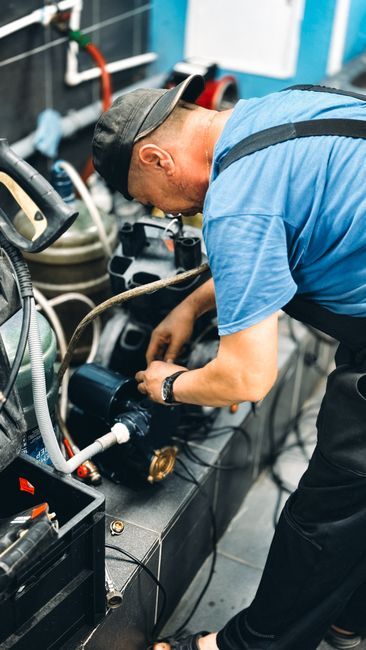
Pinnacle Pools has spent years doing one thing well across metro Atlanta: keeping water balanced week after week. Their weekly pool maintenance service in Atlanta includes chemicals, so stabilizer, chlorine, and pH are tested and adjusted on every visit. That steady attention keeps CYA from drifting into problem territory in the first place.
Own a salt pool? Our saltwater pool maintenance tips cover how stabilizer fits into that system.
Stabilize Your Season
Pool stabilizer protects your chlorine from the sun, but more is not better. Keep cyanuric acid in the right range, test it before summer, and dilute when it climbs too high. If your chlorine won't hold or algae keeps returning, call Pinnacle Pools at 770-945-6360 and get your water back in balance.
FAQs
What's the best pool stabilizer level for an outdoor chlorine pool in Georgia?
For most outdoor chlorine pools in Georgia, the best stabilizer level is about 30 to 50 ppm. That's enough to protect chlorine from strong sun without slowing it down too much. Salt pools usually do well a little higher. Test regularly, since tablets slowly raise the level over time.
Does rain lower cyanuric acid in a pool?
Heavy rain can lower cyanuric acid a little, but only if the pool overflows or you drain off the extra water. Rain dilutes everything in the pool, including stabilizer. It's rarely enough to fix a very high reading, so test after a stormy stretch rather than counting on it.