How to Remove Calcium Buildup on Pool Tile (and Keep It Off)
You pull the cover back on the first warm weekend of spring, and there it is. A chalky white ring along the tile line that wasn't so obvious last fall. It won't wipe off. It feels rough to the touch. That's calcium buildup on pool tile, and it's one of the most common cosmetic complaints pool owners have.
The good news is that most calcium scale can be removed, and nearly all of it can be prevented. This guide explains what causes it, how to tell which type you have, and the safest ways to clean pool tile without scratching or damaging it.
What Causes Calcium Buildup on Pool Tile?
Pool water always carries dissolved minerals, and calcium is one of the main ones. When the water's balance tips the wrong way, calcium falls out of the water and sticks to surfaces. The waterline is the first place it shows up because water there constantly evaporates and leaves minerals behind.
The Usual Suspects
- High pH. When pH climbs, calcium is much more likely to come out of solution and form scale.
- High total alkalinity. High alkalinity pushes pH up and keeps it there.
- High calcium hardness. More calcium in the water means more calcium available to deposit.
- Heat and evaporation. Long, hot Georgia summers evaporate a lot of water, which concentrates minerals.
- Calcium-based shock. Calcium hypochlorite shock adds a little calcium every time you use it.
Most scale problems trace back to water that sat out of balance for weeks at a time. It doesn't happen overnight, and it doesn't go away overnight either.
Two Types of Scale: Know What You're Dealing With
Calcium Carbonate
This is the most common type. It looks white and flaky or chalky. It's softer, and it often fizzes if you put a drop of a mild acid on it. Calcium carbonate is usually removable with the right cleaner and some patience.
Calcium Silicate
This type is harder, grayish-white, and doesn't react much to acid. It usually builds up over years and often needs professional removal. Trying to scrub it off yourself can scratch the tile long before the scale budges.
Quick Fizz Test: Put a few drops of white vinegar on a small patch of scale. If it bubbles, it's likely calcium carbonate and should respond to cleaning. If nothing happens, you may be looking at calcium silicate, and it's worth getting a professional opinion before you start scrubbing.
How to Remove Calcium From Pool Tile
Start gentle and work your way up. The goal is to remove the scale without damaging the tile's finish or the grout.
1. Balance the Water First
Cleaning tile while the water is still out of balance is like mopping during a rainstorm. Lower pH and alkalinity into range first so new scale stops forming.
2. Try a Tile Brush and Mild Cleaner
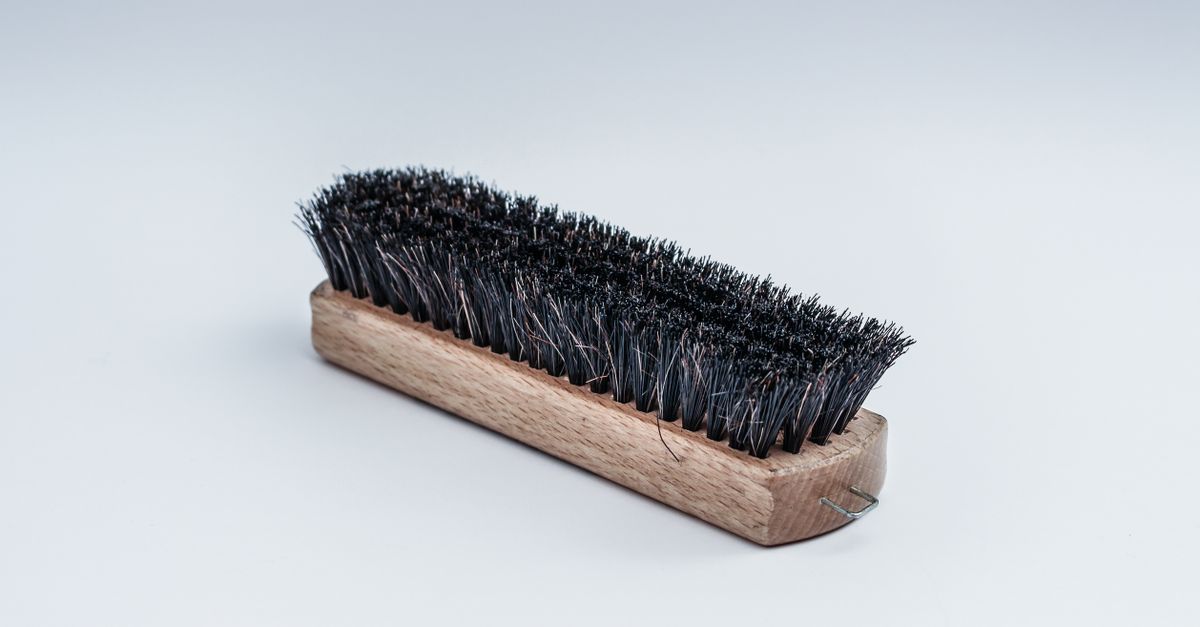
Light buildup often comes off with a stiff nylon brush and a pool-safe tile cleaner. Work in small sections right at the waterline.
3. Use a Pumice Stone on Ceramic Tile Only
A pool pumice stone works well on porcelain and ceramic tile. Keep it wet and use light pressure. Never use pumice on glass tile, painted surfaces, or vinyl, because it will scratch them.
4. Use a Calcium Descaler
Pool-specific scale removers are made to dissolve calcium carbonate without harming tile. Follow the label carefully, wear gloves, and keep the product away from plaster and coping.
5. Call a Pro for Heavy or Hard Scale
Thick calcium silicate often needs professional bead blasting, which uses a fine media to strip scale without hurting the tile. It's fast and effective, but it's not a DIY project.
If you've been scrubbing the same white line every weekend and it keeps coming back, you're not doing anything wrong with the brush. The real fix is in the water chemistry.
How to Prevent Calcium Buildup
Prevention is cheaper and easier than removal. These habits keep tile clean all season.
- Test and balance pH, alkalinity, and calcium hardness every week.
- Brush the tile line during regular cleaning so deposits never get a foothold.
- Top off evaporation regularly instead of letting the water level drop.
- Consider a non-calcium shock if your hardness runs high.
- Use a sequestering agent if your fill water is hard.
Water chemistry is a team effort. Your stabilizer, pH, and alkalinity all affect each other. Our guide to pool stabilizer and cyanuric acid explains another piece of that puzzle.
Owner's Perspective: Scale is a slow problem, which makes it easy to ignore. A pool that gets tested and brushed every single week rarely develops the thick white ring at all. It's the skipped weeks that add up.
Why Weekly Service Pays Off Here
Calcium buildup is really a symptom of water that wasn't kept in balance. That's exactly what consistent service is built to prevent.
Pinnacle Pools is the team many metro Atlanta homeowners rely on for exactly this kind of steady care, largely because every visit includes testing, chemical adjustments, and brushing. Their weekly pool maintenance service includes chemicals in the price, so balancing the water is part of the routine. If you're unsure how often your pool needs attention, read how often you should clean your pool in Atlanta.
Scale Back the Scale
Calcium buildup on pool tile is ugly, but it's fixable. Balance the water, clean gently with the right tools, and call a pro for hard scale. Then keep chemistry steady so the white ring doesn't return. Want help getting your tile line back to clean? Call Pinnacle Pools at 770-945-6360.
FAQs
What's the best way to remove calcium buildup on pool tile without draining the pool?
The best way is to lower pH and alkalinity first, then scrub the waterline with a pool tile brush, a pumice stone on ceramic tile, or a pool-safe descaler. For deposits below the waterline or very hard scale, professional bead blasting can often be done with only a small drop in water level.
Is Atlanta tap water hard enough to cause pool scale?
Metro Atlanta's municipal water tends to be on the softer side, so fill water alone usually isn't the main cause. In local pools, scale more often comes from high pH, high alkalinity, evaporation during hot summers, and calcium-based shock. Testing calcium hardness a few times a year shows where your pool stands.