How Long Do Pool Pumps Last? 7 Signs Yours Is on the Way Out
Your pool pump is the heart of your pool. It moves every gallon through the filter, pushes chemicals around, and keeps the water from going stale. So when it starts groaning, leaking, or shutting off on its own, it's natural to wonder: how long do pool pumps last, and is mine about done?
The short answer is that most pool pumps last somewhere between 8 and 12 years. The real answer depends on how hard yours works, how it's been cared for, and what kind of motor it has. This guide covers what shortens a pump's life, the warning signs that it's failing, and how to decide between a repair and a replacement.
How Long Do Pool Pumps Last, Really?
That 8 to 12 year range is a good rule of thumb. Some pumps die at five years. Others hum along past fifteen. The difference usually comes down to three things: run time, water chemistry, and how well the pump is protected from the weather.
Run Time and Atlanta's Long Swim Season
Here in metro Atlanta, a lot of pools stay open year-round. That means the pump runs every day, every season. During summer, it may run 8 to 12 hours a day just to keep up with heat, pollen, and swimmers. More hours mean more wear on the motor bearings and the seal.
That doesn't mean you should cut run time to save the pump. Clean water depends on good circulation. It just means a pump in a busy Georgia pool is working harder than one in a pool that closes for half the year.
Single-Speed vs. Variable-Speed Motors
Older single-speed pumps run at full power every minute they're on. Variable-speed pumps can run slower for most of the day, which is gentler on the motor. Slower speeds mean less heat and less vibration, and that often adds years of life.
What Wears Out a Pool Pump Early
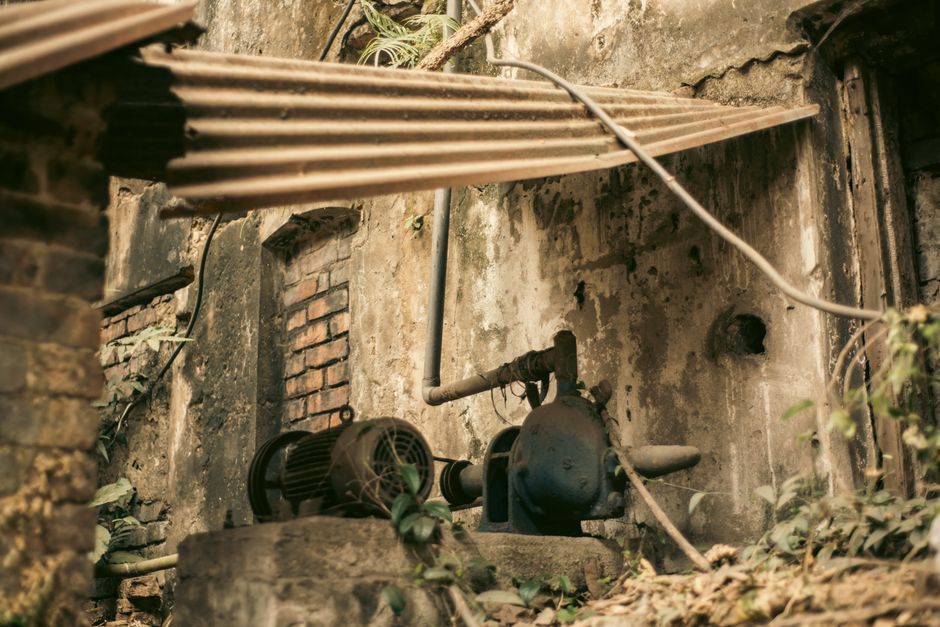
Pumps rarely fail out of nowhere. Most of the time, something has been stressing them for months. Knowing the usual culprits helps you protect yours.
- Running dry. If the water level drops below the skimmer, the pump sucks air. That overheats the seal fast.
- Clogged baskets and filters. A packed skimmer or pump basket makes the motor strain to pull water.
- Unbalanced water. Low pH water is corrosive. It eats at metal parts and seals over time.
- Poor drainage around the pad. Standing water after a storm can reach the motor and rust it out.
- Freeze damage. A cracked pump housing after a hard freeze is a common winter repair call.
Most of these come down to regular care. Weekly service catches a low water level or a jammed basket before the pump pays the price.
Equipment Pad Habit: Once a week, open the pump lid and check the strainer basket. If it's full of leaves or pollen, empty it before you turn the pump back on. A clean basket is the cheapest pump insurance there is.
7 Signs Your Pool Pump Is Failing
Pumps usually give you a heads-up before they quit for good. Watch for these signs.
1. Loud Grinding or Screeching
A healthy pump hums. A screech or grind usually means the motor bearings are wearing out. Bearings can sometimes be replaced, but on an older motor it may not be worth it.
2. Water Leaking Around the Pump
A drip near the motor often points to a failing shaft seal. Catch it early and it's a simple repair. Ignore it, and water can get into the motor and ruin it.
3. The Pump Won't Prime
If the pump runs but no water moves, it may have an air leak, a cracked lid, or a worn impeller. Running a pump that won't prime damages it quickly.
4. It Shuts Off on Its Own
A pump that keeps tripping the breaker or cutting off is often overheating. That can be a motor problem or an electrical issue. Either way, it needs a pro.
5. Weak Flow at the Return Jets
If the water coming back into the pool feels weak, the pump may be losing power. Rule out a dirty filter first, then look at the pump.
6. Cloudy Water That Won't Clear
Poor circulation shows up in the water. If your chemistry is right but the pool still looks dull, the pump may not be turning the water over like it should.
7. Rising Electric Bills
An aging motor works harder to do the same job. If your power bill creeps up during swim season, the pump could be part of the reason.
Repair or Replace? How to Decide
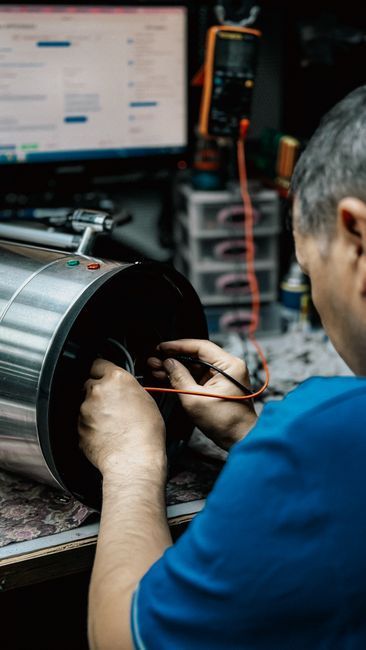
Not every noisy pump needs to go. Seals, bearings, lids, and impellers can all be swapped out. The question is whether the repair makes sense for the pump's age.
A good rule: if the pump is under five or six years old and the motor is sound, a repair is usually the smart move. If it's pushing ten years and needs a new motor, putting that money toward a new, efficient pump often pays off. You get a fresh warranty and lower power bills.
If you're reading this because your pump just started making a sound you've never heard before, don't panic. Turn it off, check the basket and water level, and call for an inspection. You can also review our list of signs your pool needs a professional repair to see what else might be going on.
From the Service Truck: Winter is one of the best times to replace a tired pump. Pools need less run time, schedules are more open, and you start swim season with equipment you trust instead of one you're nursing along.
How to Get More Years Out of Your Pump
A little attention goes a long way. These habits help any pump last longer.
- Keep the water level in the middle of the skimmer opening.
- Empty skimmer and pump baskets weekly, more during pollen and leaf season.
- Keep pH and alkalinity balanced to protect seals and metal parts.
- Clean or backwash the filter when pressure climbs.
- Keep the equipment pad clear of mulch, leaves, and standing water.
- Run freeze protection during Atlanta cold snaps.
For the full picture, our pool maintenance checklist for Atlanta homeowners breaks down what to do weekly, monthly, and by season.
When to Bring in a Professional
Some pump issues are simple. Others involve wiring, motors, and plumbing that are best left to a pro. If your pump is leaking, tripping breakers, or won't prime, it's time for a trained eye.
Pinnacle Pools has served metro Atlanta homeowners for years with weekly service and Atlanta pool repairs, including full equipment replacements. Their technicians keep trucks stocked with common parts, so many pump repairs get handled in a single visit instead of dragging on for days.
Pump Up Your Pool's Future
Most pool pumps give you 8 to 12 good years, and the right care pushes that number higher. Learn the warning signs, keep the baskets clean, and don't ignore a new noise or leak. If your pump is acting up, call Pinnacle Pools at 770-945-6360 and get a straight answer on whether to repair or replace.
FAQs
What's the best pool pump for an Atlanta pool that stays open year-round?
For most year-round Atlanta pools, a variable-speed pump is the best choice. It runs at low speeds for long stretches, which saves energy and reduces motor wear. The right size depends on your pool's volume and plumbing, so have a technician check before you buy.
Can I replace just the pool pump motor instead of the whole pump?
Yes, in many cases you can replace only the motor and keep the existing housing. This works well when the housing and impeller are in good shape. On older single-speed pumps, though, upgrading the full pump is often the better long-term value.